Colors are more than just a design choice, they shape how people think, feel, and make decisions. In business, color psychology plays an important role in branding, marketing, and even workplace environments.
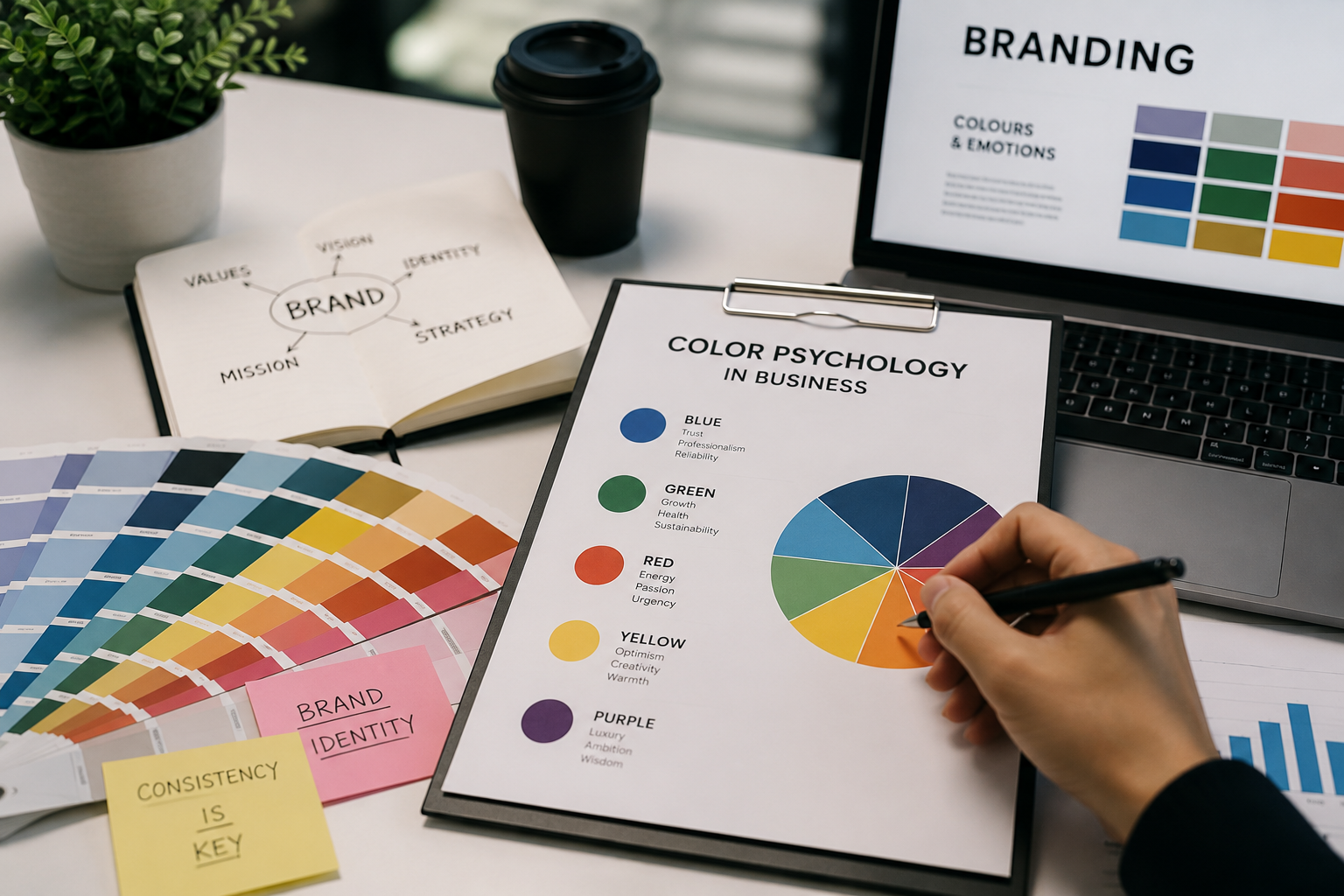
Studies have shown that colors can influence emotions and perceptions. Blue is often associated with trust and professionalism, making it a popular choice for financial institutions and technology companies. Green is linked to sustainability, growth, and well-being, while Red can create a sense of urgency or excitement, making it effective for promotions and call to action.
Beyond branding, colors also impact employee productivity and customer experience. Well-designed workplaces that use calming and balanced color palettes can improve focus and creativity. Similarly, businesses carefully choose colors for websites, packaging and strengthen brand recognition.
However, there is no universal “best” color. Cultural differences, target audiences, and brand identity all influence how colors are perceived. The most successful companies use color strategically to support their message and connect with their audience. In Today’s competitive business environment, understanding the psychology of color is not just a design consideration, it’s a valuable communication tool that can influence decisions, build trust, and enhance the overall customer experience