
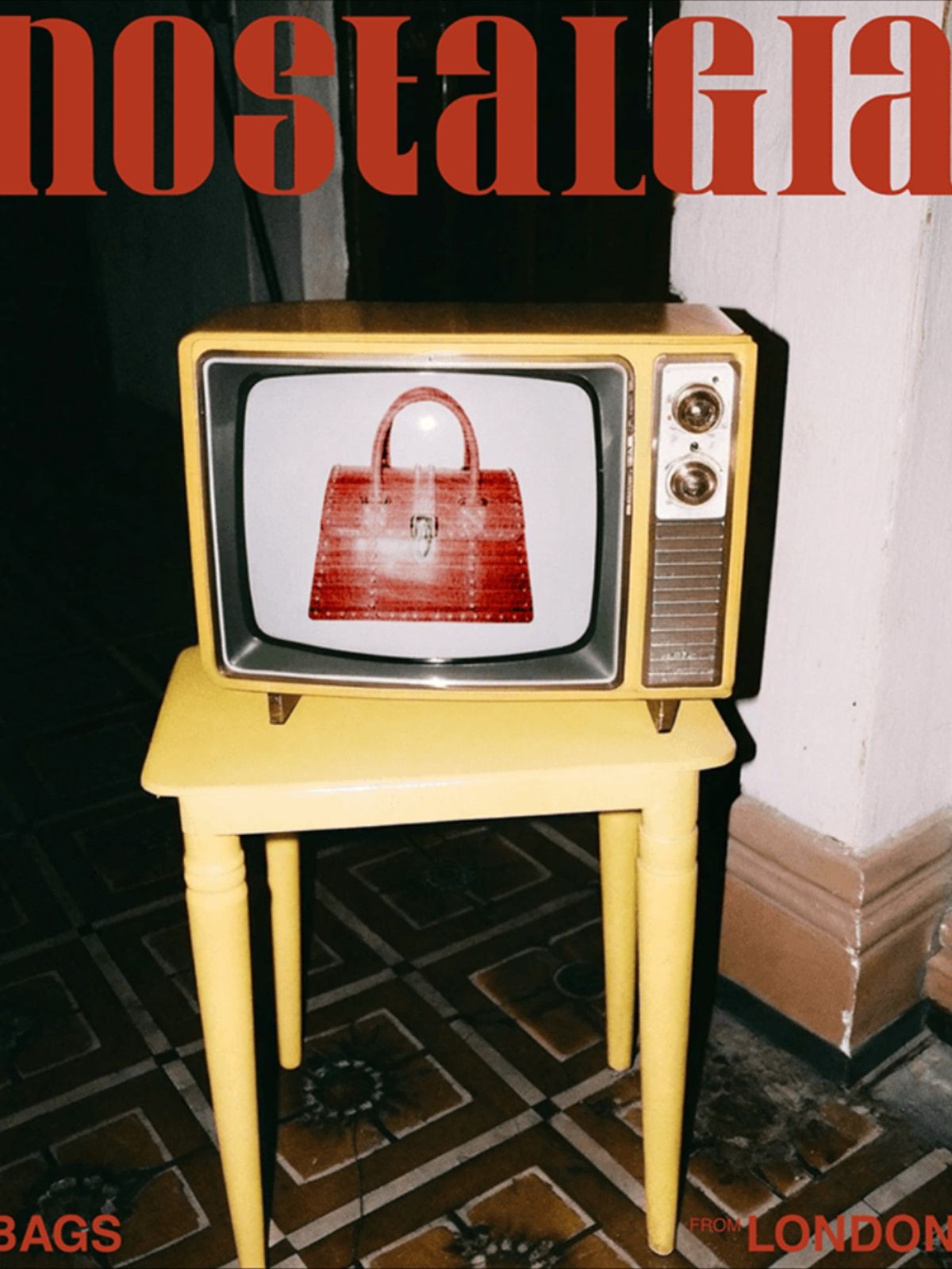
In a fast-changing digital world, brands are increasingly looking to the past to create stronger connections with consumers. From retro packaging and old logos to references to the 1990s and 2000s, nostalgia has become a powerful marketing tool.
Nostalgia works because it creates familiarity and emotion. Consumers often associate certain styles, products, songs, or visual references with positive memories. When brands bring these elements back, they can create an immediate sense of recognition and emotional connection.
This strategy is especially effective when brands combine familiar references with a modern approach. Limited-edition products, archive-inspired collections, and retro campaigns can attract existing customers while also introducing younger audiences to a brand’s history.
Social media has also helped accelerate the return of past trends. Old aesthetics can quickly become popular again through short-form videos, fashion trends, music, and online communities.
However, nostalgia marketing is most effective when it feels authentic. Simply copying the past is not enough. Brands need to connect their heritage with current consumer expectations and create something that feels both familiar and relevant.
In a market where customers are constantly exposed to new content, sometimes looking back can be one of the most effective ways to stand out.