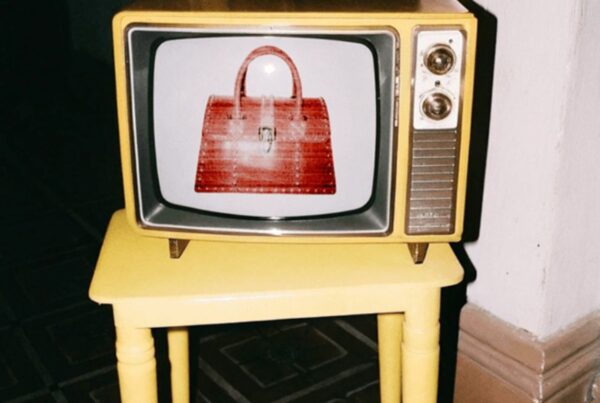
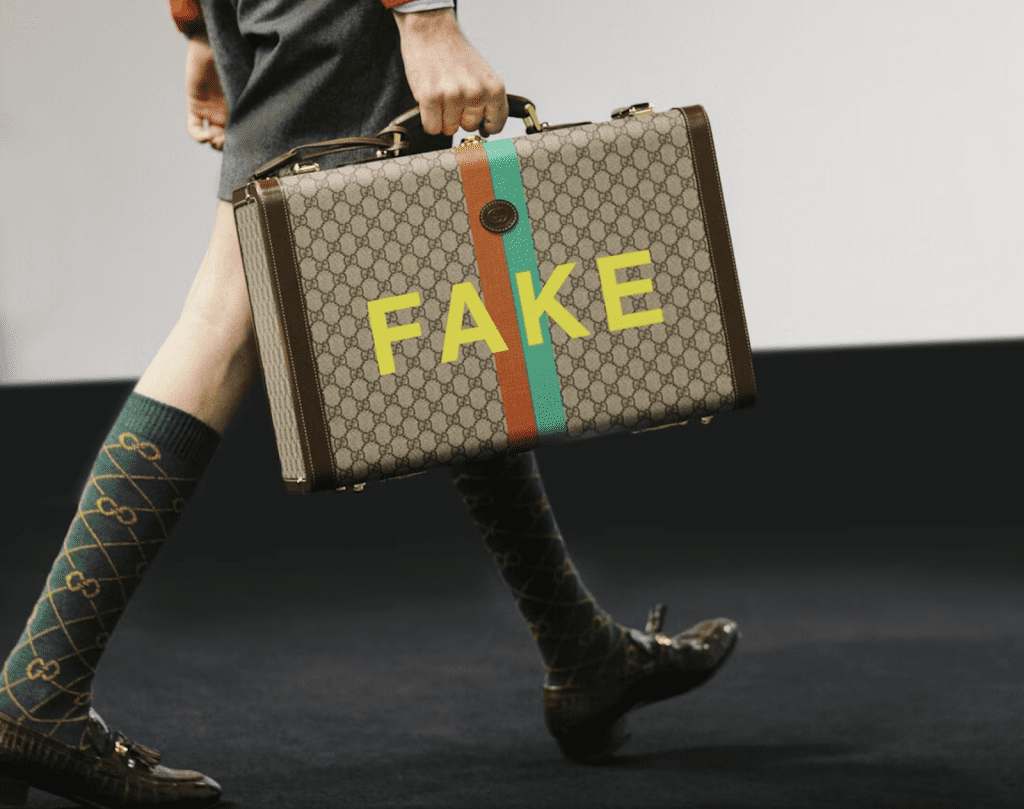
When everyone can own the logo, what truly defines luxury?
Luxury has never been about a logo.
It is about heritage, craftsmanship, exclusivity, and the emotional connection a brand creates with its customers. Yet today, these very values are being challenged by a market that continues to expand every year: counterfeit luxury goods.
From handbags to watches and fashion accessories, counterfeit products have become a global phenomenon. Thanks to e-commerce, social media, and online marketplaces, fake luxury items are now more accessible than ever before.
But one question remains:
Why does the counterfeit market continue to thrive?
More Than a Price Difference
Many people assume counterfeit products exist simply because authentic luxury is expensive.
In reality, consumer psychology is far more complex.
Luxury brands represent achievement, identity, and social status. For some consumers, owning a recognizable logo—even if it is not authentic—can satisfy the desire to belong to a particular lifestyle.
Others simply lack the knowledge to distinguish a genuine product from a sophisticated replica.
The Luxury Paradox
Ironically, the more a luxury brand is copied, the more desirable it often becomes.
Brands such as Louis Vuitton, Chanel, Hermès and Gucci are among the most counterfeited brands in the world—not because they are easy to copy, but because they have become global symbols of aspiration.
Yet every counterfeit sold reduces one of luxury’s most valuable assets: exclusivity.
Luxury only remains luxury when authenticity cannot be replaced.
Why Luxury Education Matters
Authenticity is not determined by a logo alone.
It lives in craftsmanship, heritage, attention to detail and the unique experience surrounding the product.
Understanding these elements changes the way consumers perceive luxury. It also helps professionals working in retail and hospitality communicate value beyond price.
This is why luxury education has become increasingly important—not only for industry professionals but also for consumers who want to make informed purchasing decisions.
Knowing luxury means understanding the story behind the brand, not simply recognising its logo.
Counterfeit products may imitate the appearance of luxury, but they can never reproduce its history, craftsmanship, or emotional value.
Perhaps that is luxury’s greatest paradox:
The more a brand is copied, the more desirable it becomes—yet the more essential authenticity becomes.
What do you think? Can a luxury product still be considered luxurious if everyone can own what appears to be the same item?